

By Peter Thorpe
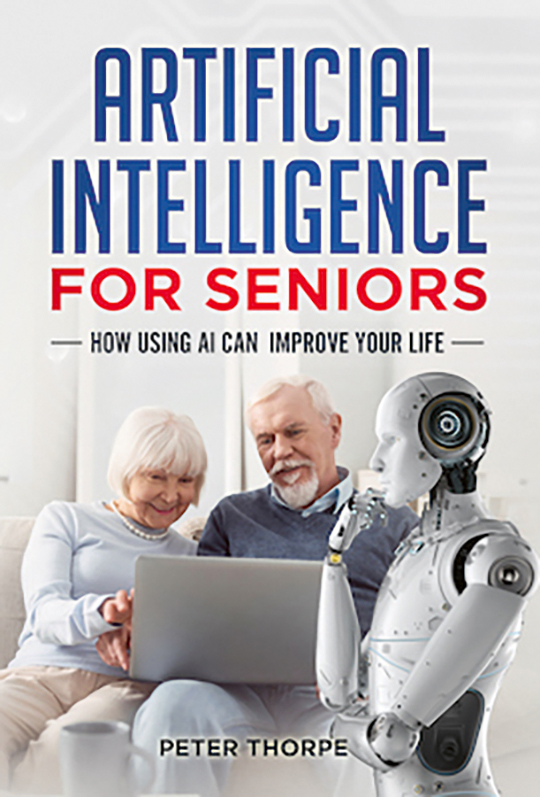
Artificial Intelligence (AI) might sound like something designed for scientists or tech experts, but in reality, it’s becoming one of the most helpful everyday tools older adults can use. And you don’t need to understand how it works. You just need to know what it can do for you.
Think of AI as a very smart, very patient assistant. It can answer questions, organise information, help you plan trips, remind you about your medications, keep you mentally active, and even help doctors detect health problems earlier. Instead of being something to fear, AI is quickly becoming a practical companion that can make life simpler, safer and more fun. Let’s look at how.
Health: smarter, safer living
Healthcare is one of the biggest areas where AI is already making a difference. Many tools are working quietly in the background to help seniors stay healthier and more independent. Simple AI–powered devices can remind you to take medication, track your steps and exercise, monitor heart rate and sleep, detect falls and call for help automatically, and alert family members if something unusual happens.
Smartwatches, for instance, can detect irregular heart rhythms or sudden falls and contact emergency services automatically. That kind of backup brings enormous peace of mind – for both you and your family.
Doctors also use AI to analyse X–rays and scans faster, detect diseases earlier, personalise treatments, and predict potential health risks. This means problems can often be caught sooner, when they’re easier to treat.
AI also powers online doctor visits. Instead of travelling to a clinic, you can speak to a doctor from your lounge room using a tablet or phone. Less waiting, less hassle, same care.
Brain Fitness: keeping your mind sharp
One of the best ways to stay mentally alert, is to keep learning and challenging your brain. AI makes this incredibly easy. Instead of passively watching television, with AI you can actively engage your mind every day.
You can ask questions about history, science or current events, learn a new language, play memory games or puzzles, write stories or memoirs, research family history, or explore new hobbies.
AI assistants are particularly helpful because you can simply ask for what you need: Explain how the stock market works in simple terms. Teach me five new Italian phrases. Give me a daily brain quiz. Help me write my life story.
It’s like having a tutor, researcher and conversation partner available 24 hours a day. Mental stimulation isn’t just fun – it may also help maintain memory and cognitive function as we age.
Travel: your personal trip planner
Travel should be exciting – not stressful. But researching flights, comparing prices, reading reviews and planning itineraries can feel overwhelming. This is where AI shines.
Today’s AI tools can find the best flights and hotel deals in seconds, suggest destinations based on your interests and budget, build day–by–day travel plans, translate languages while you’re overseas, recommend restaurants and attractions nearby, and answer questions like “What’s the weather going to be tomorrow?” instantly.
For example, you could simply type: “Plan a 10–day relaxed holiday in New Zealand with scenic drives and minimal walking.” In seconds, AI will create a complete itinerary.
Voice assistants on your phone can also help while travelling. You can ask for directions, book rides, or check opening hours without typing anything. It’s like travelling with a very organised friend who never gets tired.
Everyday Help and Connection
AI can also help with small daily tasks that add up: writing emails, creating shopping lists, managing budgets, finding recipes, setting reminders, organising photos, and video chatting with family.
Some people even say chatting with an AI assistant feels a bit like talking with a friendly helper. It’s not a replacement for people, of course, but it can reduce frustration with technology and make everyday tasks easier.
You Don’t Have to Be “Techy”
Here’s the good news: you don’t need to understand anything complicated. If you can type or speak a question, you can use AI. You don’t need programming skills or special training. You simply ask for help. In many ways, AI is easier than older technology because you don’t have to learn menus or buttons – you just use plain English.
The Big Picture
AI isn’t about robots taking over the world. For seniors, it’s about practical benefits: less stress, better health monitoring, easier travel, more independence, a sharper mind, and stronger connections with others.
It’s like having an extra pair of hands – and an extra brain – whenever you need it. And the best part is that it keeps improving every year.
Start small. Ask one question. Plan one trip. Learn one new thing. You might be surprised just how helpful your new digital assistant can be.