
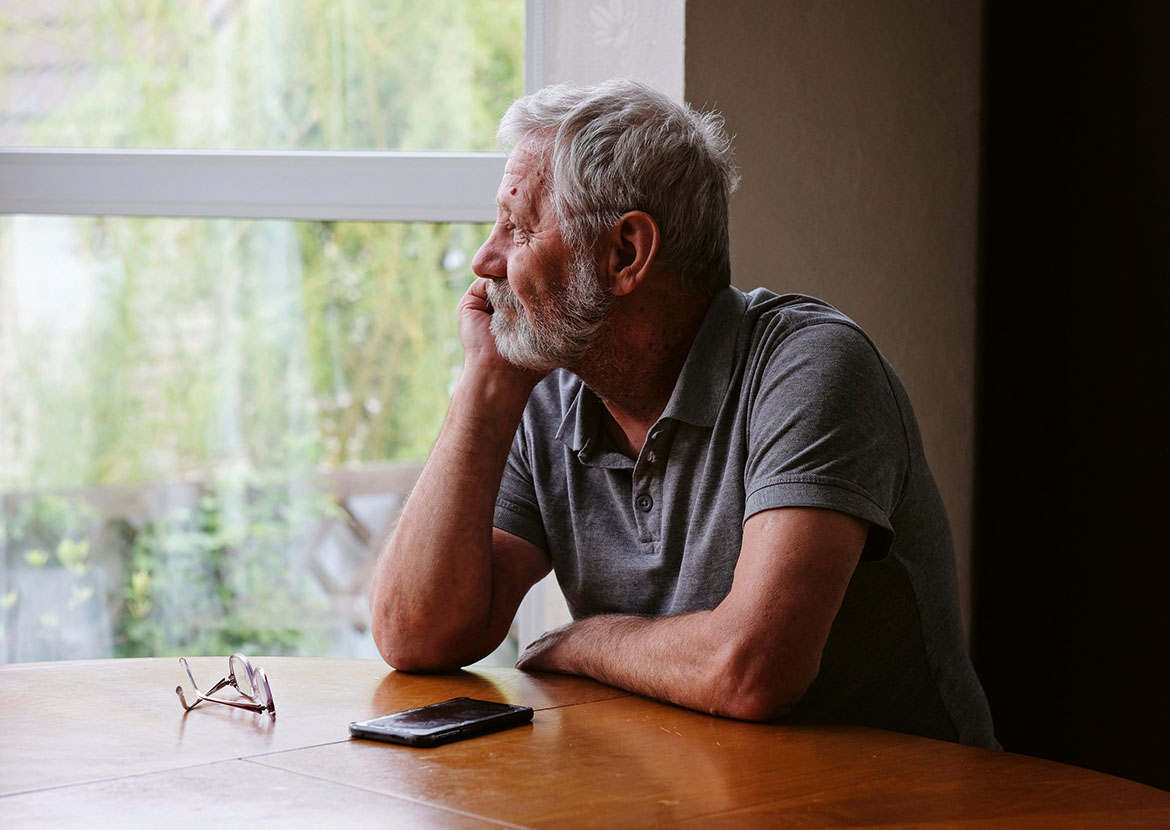
by selina chapman, psychologist at heart and mind collective
Adapting to change is not something that gets easier the more we have travelled around the sun. As we collect lived experiences, adjusting to change can become more complicated and challenging than ever before. In many respects, there can be more changes later in life such as changes in identity and sense of self, different family dynamics, an end to a long–term relationship, working or living arrangements and changes in health and functioning.
Change can be welcomed and positive, however what about when it all gets too much, and our quality of life is significantly impacted or impaired?
With change, particularly when we have it thrust upon us suddenly, we have a complex range of emotional responses that can conflict with rational thoughts and understanding. As complicated beings, these challenging concepts co–exist, causing grief and loss and feelings of helplessness and hopelessness.
Unfortunately, feeling purpose–less and useless increases the risk of suicide in older Australians and the figures are shocking. Australians over 65 can become more vulnerable with increased risk factors associated with self–harm and suicide (Australian Institute of Health and Wellbeing).
According to the Australian Bureau of Statistics, males over 85 years of age are the highest rated population group for suicide. It is a real and concerning figure that for every 100,000 people in this age and gender group, 32.7 people ended their own lives, with data showing this number is increasing, every year.
Why is the suicide rate higher for older men in Australia?
Suicide is complicated and varied in its cause, however we do know that several risk factors are associated with suicide such as experiencing grief over the loss of a spouse or partner, increased ill health and a decline in functioning. Changes in mobility, social networks, community connections and health, all contribute to increases in feeling isolated, alone and unsupported. In summary we can conceptualize this as falling under the umbrella of loneliness.
A 2007 study by Dr Mandy Stanley reported that feeling lonely is “a diverse and complex experience, bound to the context in which it is understood and perceived and not synonymous with social isolation”.
What we have learnt is the need to feel part of a community, a found family, and society is always going to be important regardless of age. Humans have a need to belong, to feel accepted and feel social connections for happiness and wellbeing.
Some statistics state that Australians over 65 who experience loneliness are “1.9 times more likely to experience depression, 1.2 times more likely to experience generalised anxiety, and 1.4 times more likely to report suicidal ideation than non–lonely counterparts”, (Ogrin et al, 2021).
Understanding and knowing change is part of life is not the same as acknowledging one’s own changes, especially when they are part of an increased reliance on others, or a decline in our functioning and independence.
Factors that can contribute to loneliness can include feeling like a burden on others and a reluctance to ask for help. We may want to cling to our past sense of self rather than adjust to a new way of being and living.
While it is not easy to radically accept change, there can be much to gain from letting go of dysfunctional ideals and embrace the now for a more rewarding future.
There are many wonderful things that can be done to ease the pain of loneliness whatever our individual situation may be.
Important factors for improved mental and emotional health encompass the person holistically, as each component can support and compound for greater successful outcomes. Good physical health is a priority too. Importantly, addressing the need for social connection and purpose, is integral for a healthy sense of self and a positive outlook.
Whether you are an introvert or extrovert, love studying, hate gardening or are not sure what you may like, there are people, places and experiences waiting for you to find them.
Some ideas (not exhaustive) can include the following:
- Create a bucket list and complete them.
- Engage in hobbies and interests.
- Have a routine.
- Join a community interest group.
- Keep healthy, eating well, exercising.
- Keep in touch with family and friends.
- Learn a new skill, craft, or language.
- Sleep well.
- Speak to a professional mental health worker.
- Travel.
- Volunteer.
Whatever intrigues your imagination, there are activities and adventures that will improve your quality of life and add meaning and joy. There is no such thing as too late to start something new. Why not now?
Take Care, Selina
Selina Chapman is a psychologist at The Heart and Mind Collective in North Gosford. She works with individuals of all ages seeking empowerment and support. Selina says, “Seeking support for mental health is about maintaining emotional and mental wellbeing as well as having extra help as and when we need it”.