
By Carin Clegg, Paediatric Dietitian
Food contains many different chemicals including macro nutrients like carbs, protein and fats, and micro nutrients like vitamins and minerals. Food also contains fibre, antioxidants, phytonutrients that contribute to their colour as well as assisting the body to fight diseases while others contain components like additives and caffeine.
The chemicals in food are no different to medications in the way our body manages them. With any chemical ingested, there is that sweet spot where it causes no harm and perhaps does its job adequately. If you have too much of a medication, chemical or nutrient, this can lead to unwanted symptoms or side effects and possible disease. With food chemicals, reactions can be delayed up to 2–3 days after consumption, and symptoms can last up to 2–3 weeks. Too little of an essential nutrient and there can be signs of deficiency, too little of a medication and it is not effective.
There are thousands of chemicals in foods that have not yet been researched. As Dietitians, for this reason, we say everything in moderation and recommend eating mostly fresh whole foods.
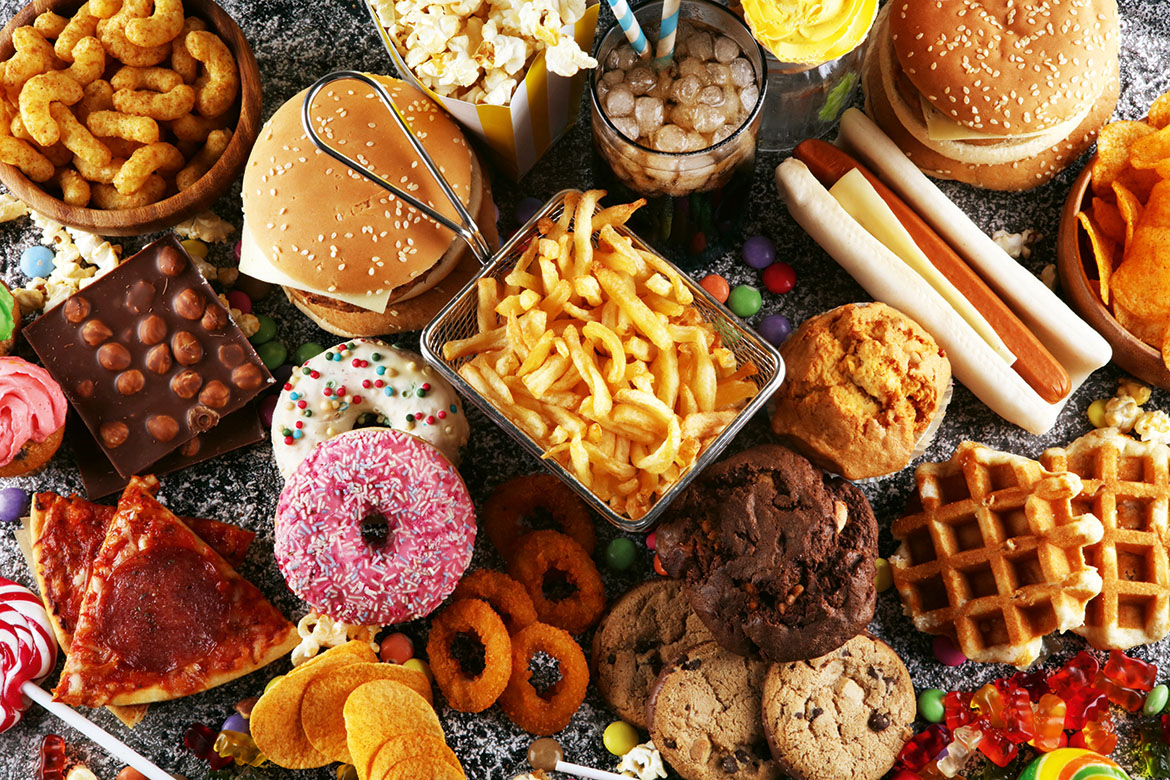
We all know babies are sensitive and would not feed a baby spices or acidic foods first up. As children grow, they become less sensitive and things in food become less of a concern. However, our food has changed a lot in the last 50–100 years. We are consuming more processed foods and foods with more concentrated flavours. For example, canned tomatoes never used to have tomato puree added, soy sauce used to be used sparingly as a flavour enhancer. These days, recipes often include stock, gravy, and can tomatoes, instead of just adding fresh herbs, vegetables, and a little salt.
When foods are processed they lose taste and can change colour/texture. Preservatives are required to increase the shelf life of foods, so manufacturers use lots of different chemicals to achieve this.
Colours
Artificial and some natural. There is good research that shows these numbers: E102, 104, 110, 12–4, 127, 129, 132, 133, 142, 143, 151, 155, 160b (annatto) cause all types of symptoms in sensitive individuals especially children.
Flavour enhancers
Salt is the original flavour enhancer but we know that glutamates (like MSG – sodium mono–glutamate) naturally occur in many foods like citrus, tomatoes, spinach, mushrooms, and Asian sauces. If people are sensitive, they can react to the following: E620–625, 627, 631, 635, Hydrolysed Vegetable Protein (HVP).
Preservatives
Preservatives have been used in food for centuries. Salt, sugar, spices are all types of preservatives which sensitive individuals can react to:
Sorbates: E200–203 found in margarine, soft cheeses, yoghurts, and drinks.
Benzoates: E210–219, found in drinks and marinades.
Sulphites: E220–228, found in dried fruit, drinks, sausages, alcohol, vinegar, potato chips/wedges. Not enough evidence related to safe children’s consumption.
Nitrates: E249–252 found in deli meats, known to increase risk of cancer.
Propionates: E280–283, bakery product preservative.
Synthetic antioxidants: E310–12, 319–321, found in oils.
In the past, aspirin was added to food as a preservative but was removed due to people having reactions. Aspirin is a salicylate, a natural food chemical present in all plants. It is the plants’ chemical defence, the bitter taste, to stop it from being eaten. Salicylates are in many foods such as herbs, spices, fruit concentrate, tomato sauces as well as non–steroidal anti–inflammatories.
You can learn more at Royal Prince Alfred Allergy Unit and the Food intolerance Network.
Artificial sweeteners
Artificial sweeteners are advised not to be consumed in children under 2 years old or pregnant women due to limited research. They are not recommended for children as it impacts taste preferences, increases sugar cravings and over eating, and this often leads to chronic disease like diabetes, heart disease, and eating disorders.
Caffeine
Caffeine (chocolate tea, coffee, cola, sports supplements, energy drinks) increases anxiety, sleep disturbance and can cause heart palpitations.
For under 18 years, no more than 3mg/kg is recommended or 120mg for a 40kg child. For a child 9–13 years, one cola drink would be 7–9% of their daily energy intake.
Tea contains less caffeine than coffee and also has L–theanine which assists calmness. But, tea also contains tannins which reduces iron absorption. This can lead to iron deficiency, a very common condition in children, which impacts concentration, sleep, appetite, fussy eating, and emotional regulation.
3 Ways To Make A Change
- Buy ‘nothing from a packet’ or have an ‘ingredients kitchen.’ Learn to cook from scratch, getting everyone to help with cooking and start a vegetable garden.
- Sign petitions like these calling to ban junk food advertising to kids and improve baby foods: foodforhealthalliance.org.au
- Write to food companies, schools, sports organisations, kid’s party venues etc asking to change their ingredients and the foods available to healthy options.
Bright Diets | 0413 774 411 | brightdiets.com.au
Carin Clegg is a Paediatric Dietitian and Fitness Professional at Bright Diets with an interest in sustainability. Carin wants everyone to be clever about their eating to feel happy, healthy and vibrant! Reach out at 0413 774 411, brightdiets.com.au or on the socials.