
by sally hamer – founder/family counsellor at help your kids gosford
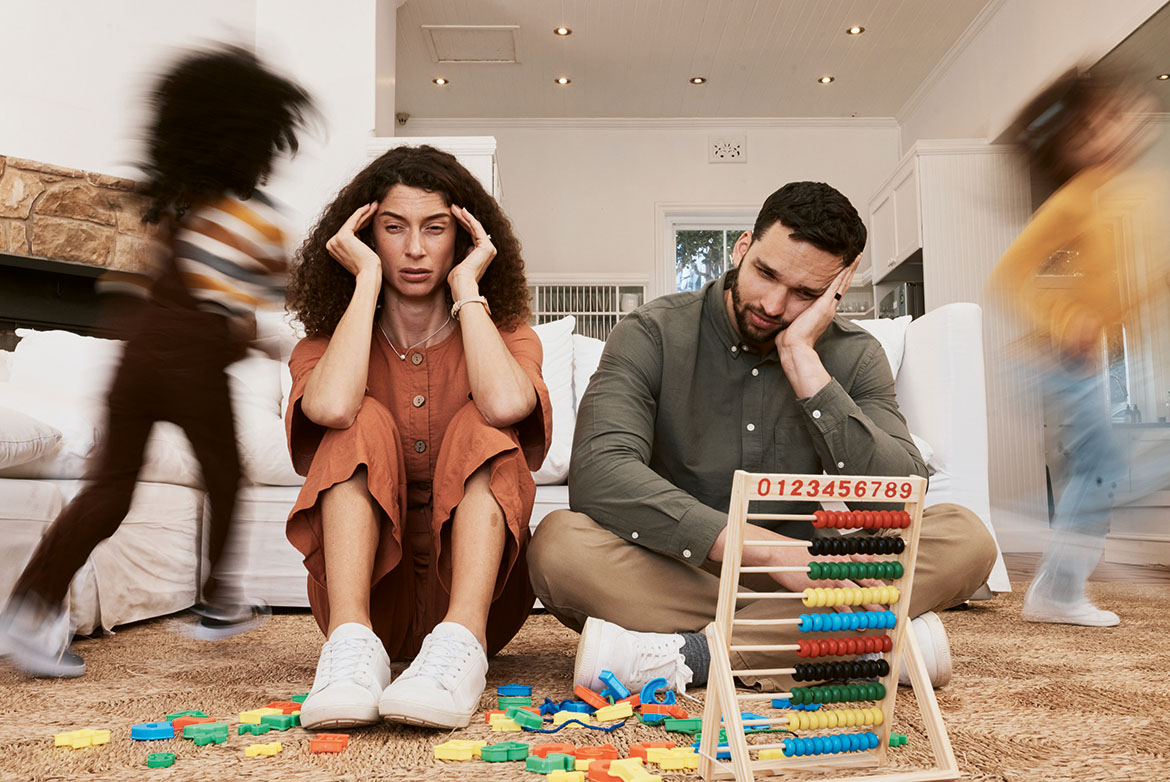
- “Can you please just be quiet for one second!” I shouted at my children, without even realising that I was now yelling too.
- “But Muuuum, he’s poking his tongue out at me!” my daughter whined.
- “That’s it! I’ve had enough – you’re all driving me crazy. Go to your rooms, now!”
As they stomped away – one crying, one yelling, another sulking – I felt the heaviness of regret. Why couldn’t I stay calm? I hate it when I yell at them. What’s wrong with me? In my hardest moments, I even find myself wondering, Am I really a good mum? I love my kids deeply, and I want to be their safe place, but sometimes I wish it felt easier.
Parenting today can feel overwhelming. Search “parenting” on Instagram and you’ll find hundreds of experts urging us to be calm, gentle, or perfectly attuned. Turn on the TV and you’ll see shows comparing parenting styles as if there’s a single “best way” to raise a child. With all this advice around us, it’s easy to feel pressure to be the “perfect” parent.
But the truth is: family life is rarely picture–perfect. It’s messy, emotional, and unpredictable. Our children can bring us incredible joy and love – sometimes followed, only minutes later, by frustration, anger, or fear. These ups and downs are normal. When we’re in a good place emotionally, we feel confident and connected as parents. But when anger, shame, sadness, or fear take over, we often react in ways that don’t feel good, and we question ourselves afterwards.
That’s why so many parenting approaches highlight the idea of “staying calm.” Decades of attachment research show that children need us to be responsive, attuned, and safe – even when everyone is upset. Staying calm helps us do what matters most as parents:
- Be parental – responding to our children’s needs, not just our impulses.
- Protect connection and safety – showing our children that even big feelings don’t break the bond.
- Model “emotion–informed thinking” – demonstrating that strong feelings are useful when paired with calm, thoughtful choices about actions. This is what emotion regulation is. So what does “staying calm” actually look like in real life?
It’s not about never feeling anger, frustration, or fear – those emotions are natural and normal. We will lose our cool at times, and act in ways we regret because we’re human. In practice, staying calm means noticing our feelings and choosing parenting actions that align with our values. By pausing, tuning into our internal experience, and reflecting before we respond, we create the space to act thoughtfully rather than react impulsively.
It starts with being curious – not just about our children and why they act the way they do, but also about ourselves. Our emotions can flare so quickly that we react before we even realise what’s happening.
It’s important to learn how to slow down just enough to notice what’s happening inside us. This takes kindness and gentleness. Looking inward can be uncomfortable – especially when what we find is shame, rage, despair, or fear. These emotions often push us into fight mode (lashing out) or flight mode (wanting to shut down or escape).
A good starting place is non–judgmental acceptance. This means allowing space for all of your parent–related thoughts, emotions, memories, intentions, wishes, perceptions, judgments, and values – without trying to push them away, fix them, or label them as “good” or “bad.” Instead, approach them with curiosity. Wonder about them. Stay open–minded toward yourself.
By slowing down and acknowledging that you have an inner world – full of thoughts and feelings that shape how you make sense of your child and your family – you create the space to respond with greater calm. Here’s what that can look like:
Pause and catch the feeling
Notice the emotion that’s bubbling up. Can you name it – anger, fear, sadness, shame? Where do you feel it in your body – tight shoulders, a racing heart, a lump in your throat? Instead of judging it or rushing to push it away, focus on it with curiosity. Ask yourself: Is this situation really an emergency? Or can I slow down and choose how to respond?
Make sense of it
Notice what your mind is telling you about this situation. Our brains are quick to jump to conclusions, often based on past experiences or bodily sensations. Try slowing this process down by asking different questions:
- Why did my child do that?
- What might they be thinking or feeling right now?
- Is my reaction influenced – positively or negatively – by:
- my own experiences with my parents?
- how I see myself as a parent?
- how I see my relationship with my child?
- If I try to take my child’s perspective, does it help me understand their behaviour and decide how best to respond?
- Am I open to understanding their perspective? If not, what might be getting in the way?
Choose your action
The meaning we make about our children’s behaviour – and about ourselves – shapes how we act. When we react automatically to strong feelings, we often say or do things we later regret. But when we understand what’s going on inside us, and how our feelings link to our thoughts and actions, we strengthen our ability to stay calm. This gives us the power to act in ways that are aligned with our values and that meet the needs of our children, our families, and ourselves.
Staying calm in the chaos of parenting is not about being perfect, it’s about being present, reflective, and willing to try again. Our children don’t need flawless parents; they need parents who keep showing up, who repair after missteps, and who model what it looks like to grow as a human being.
Every time you pause, notice your feelings, and choose your response, you’re not only helping yourself, you’re teaching your child how to handle big emotions too. That’s powerful parenting.
So when you stumble (and you will, because we all do), remember: growth matters more than perfection. Each moment is another chance to realign with your values and strengthen your connection with your child.
You’ve got this.
Sally Hamer, founder of Help Your Kids Gosford and mum of three, is an experienced family counsellor. She specialises in children’s behaviour and emotions, equipping parents with practical strategies and compassionate support to ease stress, build confidence, and create happier, stronger families where children and parents thrive together.